
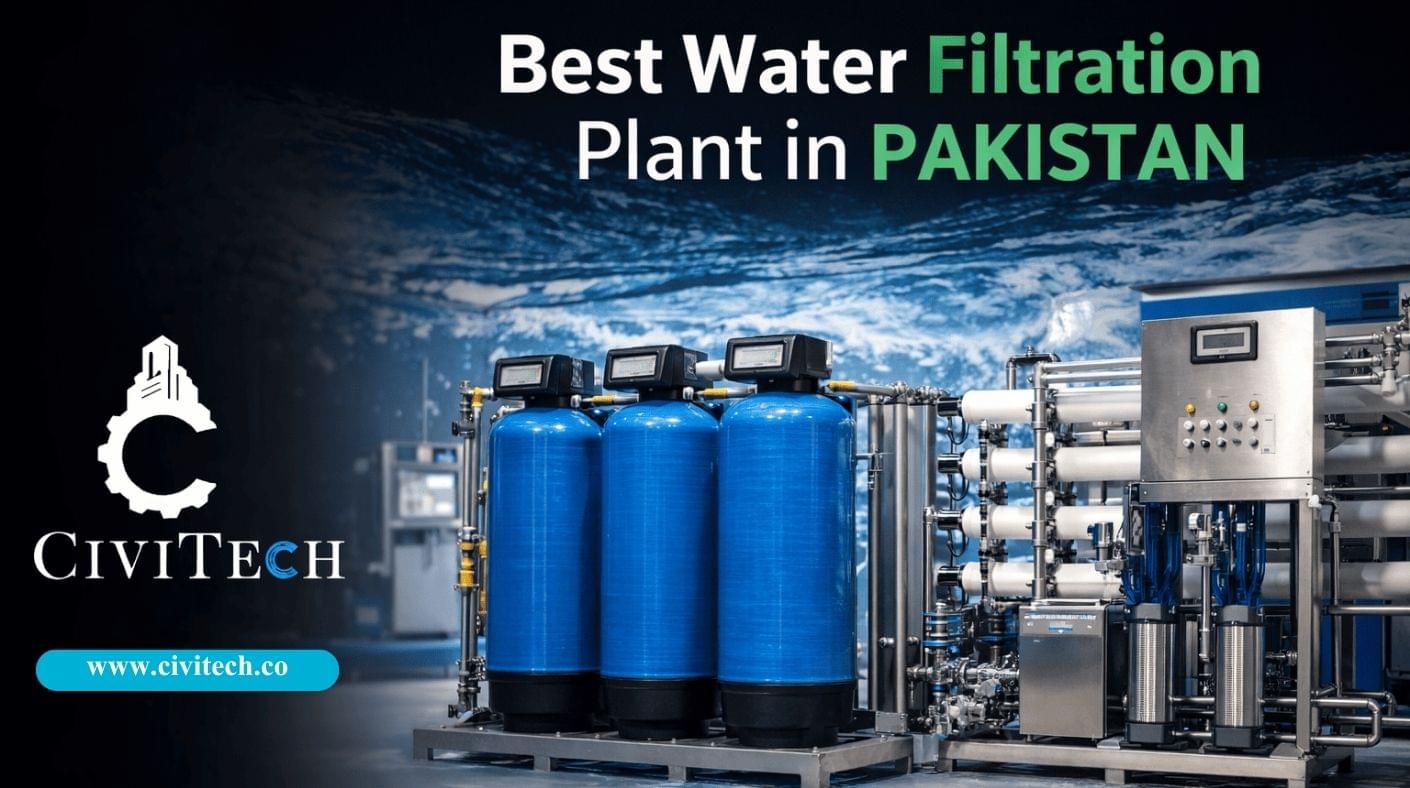
Clean drinking water is a fundamental human necessity, yet millions of people struggle to access it safely. In Pakistan, the increasing demand for purified water has made water filtration plants an essential solution for households, industries, and commercial sectors. A water filtration plant is a system designed to remove contaminants, impurities, and harmful microorganisms from water, making it safe for drinking and other uses.
Water treatment technology has evolved significantly in recent years. Modern filtration plants combine multiple purification stages such as sediment filtration, activated carbon filtration, reverse osmosis, and ultraviolet disinfection to ensure maximum water purity. These systems are used in homes, communities, hospitals, factories, and large-scale municipal facilities.
In Pakistan, many organizations and engineering companies are working to provide efficient filtration systems for residential and industrial use. Among them, CiviTech has expertise in water treatment solutions by offering advanced filtration plants designed according to local water conditions.
Table of Contents
Water Pollution in Pakistan
Water pollution is one of the most critical environmental issues affecting Pakistan. Rapid urbanization, industrial discharge, agricultural runoff, and inadequate waste management have severely contaminated many water sources. Rivers, lakes, and underground water reserves are increasingly exposed to pollutants such as chemicals, heavy metals, bacteria, and pesticides. In many cities, untreated sewage is discharged into water bodies, which significantly degrades water quality.
Groundwater contamination is also becoming a serious concern. Many regions in Pakistan suffer from excessive levels of arsenic, fluoride, and other harmful substances in drinking water. Consuming contaminated water can lead to serious health issues including digestive diseases, kidney problems, and long-term chronic illnesses.
Urban areas such as Lahore, Karachi, and Islamabad face increasing pressure on water resources due to population growth and industrial expansion. Without proper treatment, polluted water can affect both human health and environmental sustainability.
Need for Clean Drinking Water
Access to safe drinking water is essential for maintaining human health and well-being. Contaminated water is one of the leading causes of disease in developing countries, including Pakistan. Waterborne diseases such as cholera, typhoid, dysentery, and hepatitis are often linked to unsafe drinking water. These illnesses can spread quickly in communities where proper water purification systems are not available.
Clean drinking water is not only important for hydration but also for food preparation, hygiene, and sanitation. When water contains harmful bacteria or chemicals, it can negatively impact every aspect of daily life. The growing population of Pakistan has increased the demand for clean water. Unfortunately, municipal water supplies often fail to meet quality standards. This is why many households and businesses rely on filtration plants to ensure safe drinking water.
How Water Filtration Plants Work
Water filtration plants use multiple purification stages to remove impurities and harmful substances from water. Each stage plays a specific role in improving water quality.
Pre-filtration: The process usually begins with pre-filtration, where large particles such as sand, dirt, and rust are removed using sediment filters. This step prevents damage to later filtration stages.
Activated carbon filtration: The second stage typically involves activated carbon filtration, which removes chlorine, organic chemicals, and unpleasant odors. Carbon filters also improve the taste of water.
Reverse osmosis (RO): Another important stage is reverse osmosis (RO). This process uses a semi-permeable membrane to remove dissolved salts, heavy metals, and microscopic contaminants.
UV sterilization: After RO filtration, some systems include UV sterilization, which uses ultraviolet light to kill bacteria and viruses. This ensures that the water is microbiologically safe.
Key Components of Filtration Plants
Water filtration plants consist of several essential components that work together to purify water effectively.
These components include:
- Raw water storage tank
- Sediment filtration system
- Activated carbon filters
- Reverse osmosis membrane
- High-pressure pump
- UV sterilization chamber
- Mineral cartridge
- Control panel and monitoring system
Each component plays a crucial role in removing specific types of contaminants. High-quality components ensure better performance and longer system life. Proper system design and installation are equally important. A well-designed filtration plant ensures consistent water quality and efficient operation.
Types of Water Filtration Plants
There are several types of water filtration plants designed for different purposes and water sources.
1. Community Water Filtration Plants
These systems are installed in public areas or villages to provide safe drinking water for large populations. Community filtration plants help reduce waterborne diseases in rural areas.
2. Commercial Water Filtration Plants
Commercial filtration plants are commonly used in offices, restaurants, hospitals, and schools. They provide purified water for daily use and ensure compliance with health standards.
3. Residential Water Filtration Plants
Residential filtration systems are designed for household use. These systems are compact, easy to install, and capable of providing purified water for families.
4. Large-Scale Municipal Plants
Municipal water treatment plants process water for entire cities. These systems use advanced technologies to treat millions of gallons of water daily.
RO Water Filtration Systems

Reverse Osmosis (RO) systems are among the most effective water purification technologies available today. They use a semi-permeable membrane that removes dissolved solids, heavy metals, and harmful chemicals from water. RO filtration works by applying pressure to water, forcing it through a membrane with microscopic pores. These pores allow only clean water molecules to pass through while blocking contaminants.
RO systems can remove pollutants such as arsenic, lead, nitrates, and fluoride. This makes them particularly useful in areas where groundwater contamination is common. Many modern filtration plants in Pakistan rely on RO technology because of its efficiency and reliability. These systems produce high-quality drinking water that meets international safety standards.
Industrial Water Treatment Plants
Industries require large volumes of clean water for manufacturing processes, cooling systems, and product quality control. Industrial water treatment plants are designed to meet these specific requirements.
These plants often include advanced filtration technologies such as:
- Reverse osmosis systems
- Ultrafiltration membranes
- Ion exchange systems
- Chemical dosing systems
- Water softening units
Industrial filtration plants ensure that water used in production meets required purity standards. They also help industries manage wastewater and comply with environmental regulations. Proper water treatment improves operational efficiency and reduces equipment damage caused by mineral deposits or impurities.
Benefits of Water Filtration Plants
Installing a water filtration plant provides numerous advantages for individuals, businesses, and communities.
Some major benefits include:
- Access to safe and clean drinking water
- Removal of harmful bacteria and viruses
- Improved water taste and odor
- Reduction in waterborne diseases
- Lower dependency on bottled water
- Environmentally friendly water solution
- Long-term cost savings
Water filtration plants also contribute to sustainable water management by reducing plastic waste from bottled water consumption.
Modern Water Filtration Technologies
Technological advancements have greatly improved the efficiency of water filtration systems. Modern plants use innovative purification methods to ensure higher water quality.
Some widely used technologies include:
- Reverse osmosis membranes
- Ultraviolet disinfection systems
- Ultrafiltration technology
- Ozone water treatment
- Nano-filtration systems
These technologies provide multi-stage purification and ensure that even microscopic contaminants are removed. Smart monitoring systems are also becoming common in modern filtration plants. These systems track water quality, pressure levels, and filter performance in real time.
Choosing the Best Filtration Plant
Selecting the right water filtration plant depends on several factors including water source, contamination level, and daily water consumption.
Important factors to consider include:
- Water quality testing results
- System filtration capacity
- Type of purification technology
- Installation requirements
- Maintenance needs
- Cost and long-term efficiency
Before installing a filtration plant, it is recommended to conduct a professional water analysis. This helps determine the most suitable treatment method for specific water conditions. Working with experienced water treatment experts ensures that the filtration system is properly designed and installed.
Applications of Filtration Plants
Water filtration plants are used in many sectors where clean water is required.
Common applications include:
- Residential homes
- Hospitals and healthcare facilities
- Schools and universities
- Restaurants and hotels
- Industrial manufacturing units
- Agricultural irrigation systems
- Community water supply projects
These plants ensure reliable water quality across various industries and environments.
CiviTech Expertise in Water Filtration
CiviTech is recognized for providing advanced engineering solutions, including water filtration plants designed for Pakistan’s unique water challenges.
The company focuses on delivering high-quality filtration systems for residential, commercial, and industrial applications. Their water treatment solutions incorporate modern technologies such as reverse osmosis, UV purification, and multi-stage filtration.
CiviTech’s team of engineers conducts detailed water quality assessments before designing filtration plants. This ensures that each system is tailored to address specific contaminants present in the water source.
Their services include system design, installation, testing, and maintenance support. By combining technical knowledge with modern treatment technologies, CiviTech helps communities and businesses gain access to safe drinking water.
Maintenance of Filtration Plants
Regular maintenance is essential to ensure the long-term performance of water filtration plants. Without proper upkeep, filters can become clogged, reducing system efficiency.
Routine maintenance tasks include:
- Replacing sediment filters
- Changing activated carbon cartridges
- Cleaning RO membranes
- Inspecting pumps and pipelines
- Monitoring water pressure and flow rates
Professional maintenance services help detect potential problems early and prevent costly repairs. Scheduled maintenance also ensures that the filtration plant continues to produce safe drinking water according to quality standards.
Future of Water Filtration in Pakistan
The future of water filtration in Pakistan is closely linked to technological innovation and infrastructure development. With increasing water scarcity and pollution, more cities and communities are expected to invest in advanced water treatment systems. Government initiatives and private sector involvement will likely expand access to clean water.
Smart filtration plants equipped with digital monitoring systems are becoming more common. These systems allow operators to monitor water quality in real time and optimize system performance. Sustainable water treatment technologies such as energy-efficient filtration systems and water recycling solutions will also play a major role in the future.
Conclusion: Best Filtration Plant Choice
Water filtration plants are vital for ensuring safe drinking water in Pakistan. With rising pollution levels and growing population demands, access to purified water has become more important than ever. Choosing the best water filtration plant requires careful evaluation of water quality, system capacity, and technology. Professional expertise plays a key role in designing and installing effective filtration systems.
Companies like CiviTech contribute to improving water infrastructure by providing advanced filtration solutions tailored to local conditions.
FAQs
-
What is a water filtration plant?
A water filtration plant is a purification system that removes contaminants, bacteria, chemicals, and sediments from water to make it safe for drinking and other uses.
-
Why are water filtration plants important in Pakistan?
Water pollution and groundwater contamination in Pakistan make filtration plants necessary for providing safe drinking water and preventing waterborne diseases.
-
Which technology is best for water filtration?
Reverse osmosis combined with UV sterilization and carbon filtration is considered one of the most effective water purification technologies.
-
How often should water filtration plants be maintained?
Filters should be replaced every 6–12 months depending on usage, while membranes and system components require periodic inspection.