
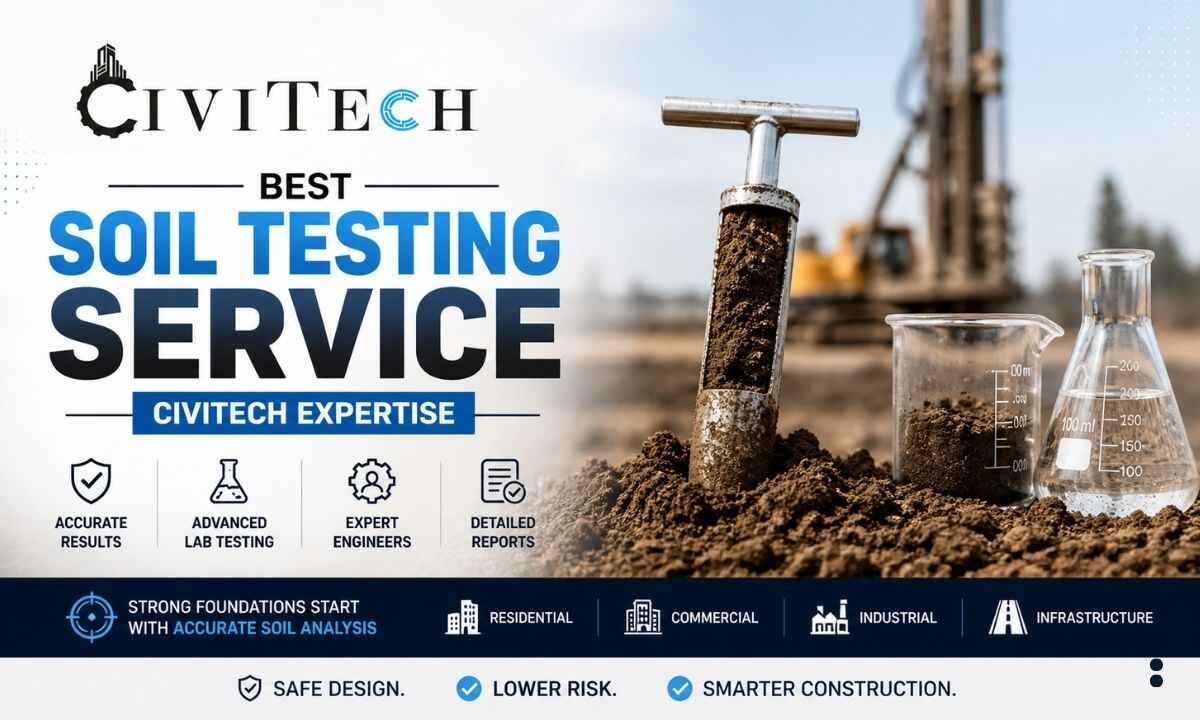
Every successful construction project begins below the surface. Before foundations are designed, concrete is poured, or structures rise above ground, the condition of the soil must be understood. Land may appear strong from the outside, but hidden problems such as weak bearing layers, excessive moisture, loose fill, swelling clay, or contamination can create serious structural issues later. This is why investing in a professional soil testing service is one of the most important early steps for any residential, commercial, industrial, or infrastructure project.
At CiviTech.co, we understand that smart construction starts with accurate data. Our experience in engineering support, site analysis, and technical planning helps clients make informed decisions before construction begins. Whether you are planning a home, commercial building, warehouse, or industrial facility, professional soil testing reduces risk and increases confidence.
What Is Soil Testing Service?
A soil testing service is the professional process of examining soil properties through field sampling and laboratory analysis. The purpose is to determine whether the soil is suitable for construction, agriculture, landscaping, or environmental use.
The service includes collecting soil samples from the site, testing them using engineering standards, and preparing a technical report with recommendations.
For construction projects, soil testing helps identify:
- Soil bearing capacity
- Moisture content
- Density and compaction behavior
- Plasticity and shrinkage potential
- Settlement risks
- Groundwater conditions
- Foundation suitability
- Soil classification
Why Soil Testing Is Important Before Construction
Many project failures begin below the surface. If soil conditions are ignored, buildings can experience uneven settlement, foundation cracks, slab movement, retaining wall failure, and drainage issues. Professional soil testing provides accurate data so engineers can design safe and economical foundations.
Key Benefits of Soil Testing
- Safe Structural Design: Engineers calculate the correct footing size, raft foundation, pile system, or slab design based on soil strength.
- Lower Construction Cost: Without testing, foundations may be overdesigned or underdesigned. Proper data helps optimize concrete, steel, excavation, and construction costs.
- Reduced Risk of Settlement: Testing reveals compressible or loose layers that may cause future sinking.
- Better Site Planning: Developers can identify weak zones, filled areas, water table problems, and drainage risks.
- Compliance With Regulations: Many municipalities, consultants, and approval authorities require geotechnical reports before construction.
- Long-Term Durability: Proper soil understanding protects buildings from cracks, tilting, and moisture-related damage.
Who Needs Soil Testing Service?

Soil testing is valuable for almost every type of land development project.
Homeowners planning a new house benefit from knowing the safe depth and type of foundation needed. Commercial developers use soil data when designing plazas, offices, schools, warehouses, and shopping centers. Industrial projects require detailed investigation because machinery loads and large structures place higher pressure on the ground.
Road contractors and infrastructure planners use testing to assess subgrade performance for roads, drainage systems, retaining walls, and bridges.
Even agricultural landowners may request soil testing to understand fertility, salinity, and pH levels for improved crop performance.
Types of Soil Testing Services
Different projects need different testing scopes. A reliable soil testing laboratory or engineering firm may offer the following services.
1. Geotechnical Soil Investigation
This is the most common service for construction projects. It includes boreholes, sample collection, and engineering analysis.
2. Bearing Capacity Testing
Measures how much load the soil can safely support.
3. Compaction Testing
Used for roads, backfilling, foundations, and embankments.
4. Moisture Content Testing
Checks water percentage in soil to understand behavior and compaction suitability.
5. Atterberg Limits Testing
Measures liquid limit, plastic limit, and plasticity index.
6. Grain Size Analysis
Determines proportions of clay, silt, sand, and gravel.
7. Chemical Soil Testing
Checks sulfates, chlorides, pH, salinity, and corrosive elements.
8. Agricultural Soil Testing
Measures nutrients like nitrogen, phosphorus, potassium, and organic matter.
9. Plate Load Test
Used to determine field bearing capacity and settlement behavior.
10. Percolation Testing
Useful for drainage systems and septic tank design.
Soil Testing Procedure
The process of a professional soil testing service usually follows several technical steps.
First, engineers inspect the site and review the project requirements. The size of the building, number of floors, and intended use help determine how extensive the investigation should be. Next, soil samples are collected from different depths. This may be done through boreholes, trial pits, or auger drilling depending on the project.
Field tests may be performed during sampling. These help estimate soil density, resistance, and groundwater conditions. The collected samples are then sent to a soil testing laboratory where they are examined under controlled conditions.
After analysis, engineers prepare a report containing test results and construction recommendations. This report is one of the most valuable documents in the planning stage because it guides structural and foundation design.
Important Laboratory Tests
- A professional laboratory uses recognized methods to evaluate soil performance.
- Moisture content testing determines how much water is naturally present in the soil. This affects compaction and strength.
- Grain size analysis identifies whether the soil is mostly gravel, sand, silt, or clay.
- Atterberg limits testing measures the plasticity of fine soils and helps predict swelling or shrinkage.
- Compaction testing identifies the moisture level needed to achieve maximum density during filling work.
- CBR testing is often used in road construction to evaluate subgrade strength.
- Shear strength testing helps determine the soil’s resistance to sliding or failure.
- Consolidation testing estimates how much settlement may occur over time when loads are applied.
- Chemical analysis identifies aggressive compounds that may damage foundations or reinforcement.
- These tests help engineers understand the real behavior of the ground before construction begins.
Soil Classification and What It Means
Not all soils behave the same. Soil classification helps engineers understand strength and construction suitability.
Clay Soil
- Expands when wet
- Shrinks when dry
- Can cause movement problems
Sandy Soil
- Good drainage
- Lower cohesion
- May require densification
Silty Soil
- Sensitive to moisture
- Moderate strength
Gravel Soil
- Usually strong and stable
- Good drainage
Filled Soil
- Man-made fill layers
- Often risky without proper compaction records
Organic Soil
- Weak and compressible
- Usually unsuitable for foundations
Soil Bearing Capacity Explained
One of the main reasons clients request a soil testing service is to know the soil bearing capacity. Bearing capacity is the amount of pressure the ground can safely support from a structure. If the soil is weak, excessive settlement or failure may occur. If it is strong, simpler and more economical foundations may be possible.
When bearing capacity is low, engineers may recommend raft foundations, wider footings, piles, or soil improvement methods. Knowing the correct bearing capacity protects both safety and budget.
Soil Testing for Residential Construction
Many people assume soil testing is only necessary for large commercial projects. In reality, even a two-storey home can benefit greatly from professional testing.
A house represents a major investment. If the foundation fails, repair costs can be severe. Soil testing helps determine the right footing size, foundation depth, and precautions against water or settlement problems.
For homeowners, this small early investment can prevent large future expenses.
Soil Testing for Commercial and Industrial Projects
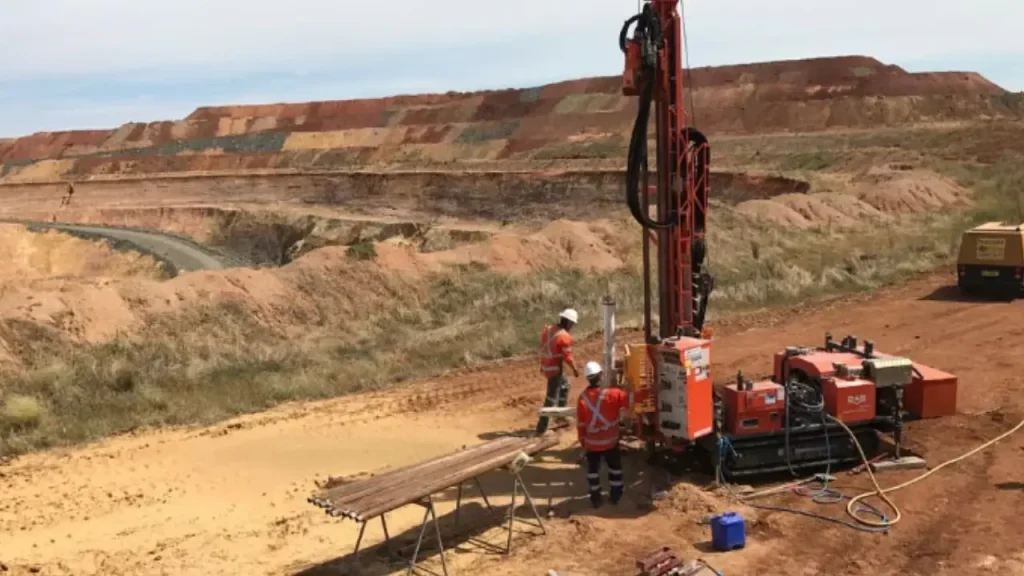
Commercial buildings often involve heavier loads, larger spans, basements, parking areas, and multiple floors. Industrial sites may include machinery foundations, storage loads, and vibration-sensitive structures.
These projects require dependable geotechnical data because errors can become costly very quickly. Professional investigation allows engineers to design safely while controlling material costs and avoiding unnecessary overdesign.
Soil Testing Laboratory vs Construction Materials Testing Laboratory
A soil testing laboratory mainly focuses on soil-related analysis such as strength, moisture, classification, and chemistry.
A construction materials testing laboratory offers broader services. In addition to soil testing, it may test concrete cubes, steel reinforcement, aggregates, asphalt, cement quality, and masonry units.
For larger developments, using a laboratory that handles multiple materials can simplify quality control throughout the project lifecycle.
How to Choose the Right Soil Testing Service
Choosing the right provider is important because the quality of testing directly affects the quality of engineering decisions. Look for a company with real project experience and qualified technical staff. Proper sampling methods, calibrated equipment, and clear reporting standards are essential.
The report should not only provide data but also explain what that data means for your project. Practical recommendations are just as important as laboratory results. Timely service is also valuable because delays in testing can slow the entire project schedule.
CiviTech.co Expertise in Soil Testing Service
At CiviTech.co, we focus on practical engineering solutions backed by reliable data. Our team supports clients through professional soil testing service processes designed for real-world construction needs.
Our Expertise Includes:
- Residential plot soil investigations
- Commercial project geotechnical studies
- Foundation recommendation reports
- Field density and compaction testing
- Plate load testing support
- Material quality control coordination
- Site condition assessment
- Construction advisory support
Final Thoughts
A professional soil testing service is one of the smartest investments before construction begins. It helps engineers design safer foundations, helps builders avoid costly surprises, and helps owners protect their investment.
Whether you are building a house, commercial plaza, warehouse, or industrial facility, dependable soil testing provides the information needed to move forward confidently. With support from an experienced soil testing laboratory or full construction materials testing laboratory, your project begins with knowledge instead of guesswork.
At CiviTech.co, we are committed to helping clients build stronger, safer, and smarter from the ground up.
Frequently Asked Questions
-
How long does soil testing take?
Small residential projects may take a few days, while larger commercial sites may require more time depending on scope.
-
Is soil testing necessary for a house?
Yes. It helps determine safe foundation design and reduces the risk of settlement or cracking.