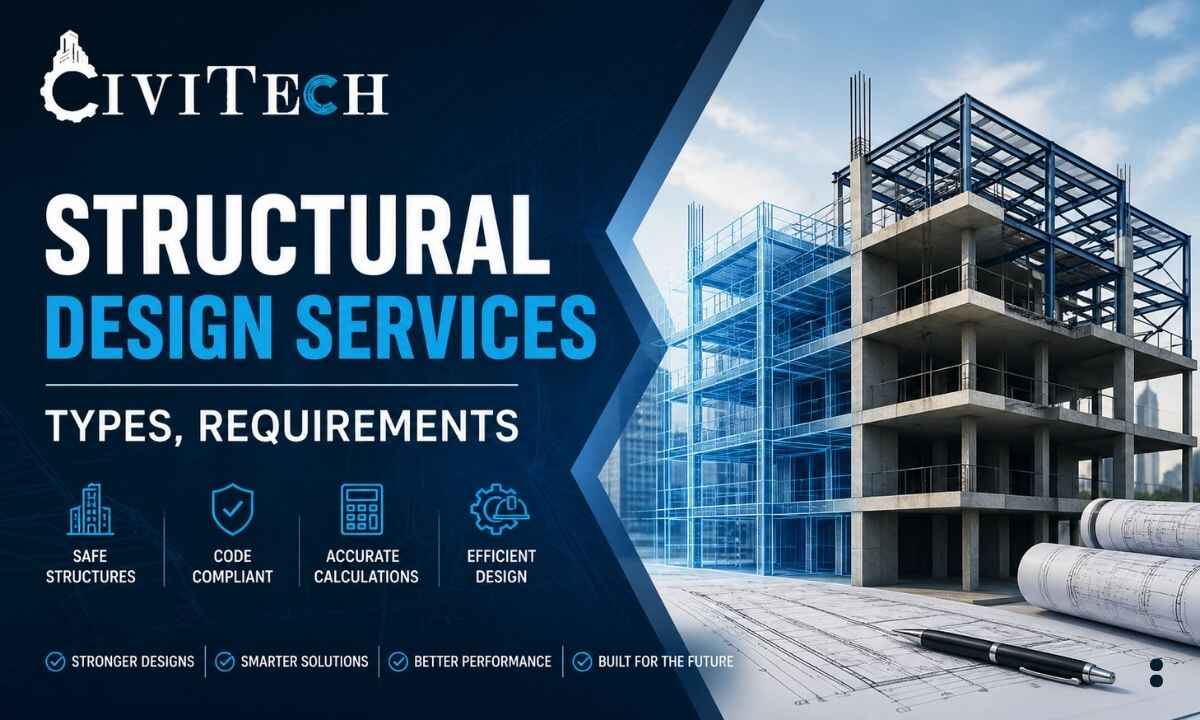
Structural design is one of the most important parts of construction and engineering. Every building, bridge, warehouse, tower, and industrial structure depends on strong planning before construction starts. Structural design ensures that a structure can safely carry loads, resist weather conditions, and remain stable for many years.
Whether you are planning a house, commercial plaza, factory, or infrastructure project, understanding structural design helps you make better decisions. In this guide, we will explain what structural design is, its types, requirements, calculations, and how professional planning systems like CiviTech help manage structural projects efficiently.
What is Structural Design?
Structural design is the process of planning and analyzing a structure so it can safely withstand loads and environmental forces. It involves selecting materials, dimensions, support systems, and structural members such as beams, columns, slabs, walls, and foundations.
The goal of structural design is to create buildings and structures that are:
- Safe for occupants
- Durable over time
- Economical to build
- Efficient in material use
- Compliant with building codes
- Resistant to earthquakes, wind, and loads
At CiviTech Expertise, structural design is treated as the backbone of every successful project because strong planning reduces future risk and construction waste.
Why Structural Design is Important
Structural design is essential because it protects both lives and investment. A weak design can create major issues during or after construction.

Good structural planning helps prevent cracking walls, sagging slabs, water leakage caused by movement, uneven settlement, and dangerous failure. It also helps reduce unnecessary material use, which lowers total project cost.
For property owners, professional structural design gives confidence that the building is safe, durable, and suitable for long-term use.
What are the Types of Structural Design?
Structural design can be divided into several categories based on building use, materials, and load requirements.
Reinforced Concrete Structural Design
This is one of the most common systems used in residential and commercial construction. Concrete structural is combined with steel reinforcement bars to improve strength.
It is commonly used for houses, apartments, offices, schools, and plazas. It is popular because it is durable, fire-resistant, and widely available.
Steel Structural Design
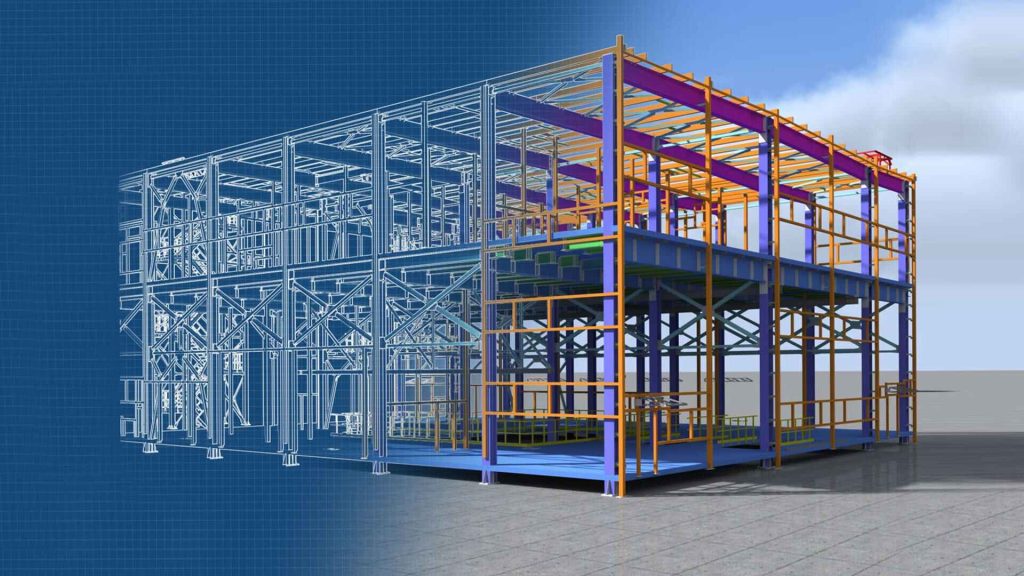
Steel structural design is used when faster construction and larger open spaces are required. Steel frames are common in warehouses, factories, shopping halls, and industrial buildings.
Steel offers high strength with lighter weight compared to concrete systems.
Masonry Structural Design
Masonry design uses brick or block walls as load-bearing elements. It is often used in smaller buildings or traditional construction.
This method can be economical when used correctly for low-rise structures.
Timber Structural Design
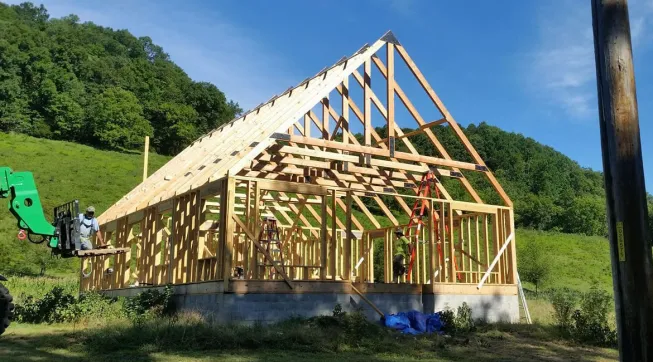
Timber systems use wood framing for homes, roof trusses, villas, and decorative structures. Timber is lightweight and environmentally friendly in many cases.
Composite Structural Design
Composite systems combine materials such as steel and concrete to gain the benefits of both. These systems are common in high-rise buildings, bridges, and advanced commercial projects.
Precast Structural Design
In precast systems, members are manufactured off-site and assembled at the project location. This can improve speed, quality control, and consistency.
At CiviTech Expertise, the right structural system is selected according to budget, timeline, land conditions, and project purpose.
What are the Requirements of Structural Design?
A good structural design must meet several technical and practical requirements.
- Strength: The structure must safely carry dead load, live load, wind load, and seismic forces without failure.
- Stability: The building must remain stable and should not tilt, slide, or collapse under normal and extreme conditions.
- Serviceability: A structure must remain comfortable and usable. Excessive vibration, large deflection, or visible cracking should be controlled.
- Durability: The structure should perform well for many years. Material quality, waterproofing, corrosion protection, and maintenance planning are important.
- Economy: Good design balances safety with cost. Overdesign wastes money, while underdesign creates danger.
- Code Compliance: All designs should follow approved building codes and engineering standards.
- Constructability: The design should be practical to build using available labor, materials, and site conditions.
- Sustainability: Modern structural design also considers material efficiency, reduced waste, and environmental performance.
At CiviTech Expertise, designs are optimized to achieve both structural performance and execution efficiency.
How to Do Structural Calculations
Structural calculations are necessary to verify that the proposed building can safely resist all loads.
- The first step is reviewing architectural drawings such as floor plans, elevations, and room layouts. After that, engineers estimate loads from walls, slabs, furniture, occupancy, machinery, wind, and earthquakes.
- Then the structural system is selected. This may be reinforced concrete framing, steel framing, masonry walls, or a composite system.
- Next, engineers analyze beams, columns, slabs, and foundations to determine forces and reactions. Based on these calculations, member sizes and reinforcement details are finalized.
- Today, software such as ETABS, SAFE, STAAD Pro, SAP2000, and Revit Structure is widely used to support accurate analysis.
- Finally, structural drawings are prepared for site execution. These include foundation layouts, beam schedules, slab reinforcement details, column marking plans, and construction sections.
At CiviTech Expertise, calculations are carefully reviewed to reduce site changes and costly mistakes.
How to Manage Structural Design Projects Better with CiviTech.co
Managing structural design involves many files, teams, revisions, approvals, and deadlines. Without proper systems, delays happen quickly.
CiviTech.co helps streamline structural project management through organized digital workflows.
Benefits include:
- Reporting dashboards
- Centralized project data
- Faster approvals
- Better communication
- Design version control
- Timeline tracking
Instead of scattered emails and missing files, teams can keep all information in one place. This improves communication between engineers, architects, contractors, and clients.
Use Our Construction Planning Template to Keep Track of Your Projects
Construction planning templates help organize schedules and responsibilities clearly.
They can track design deadlines, approval dates, procurement milestones, site activities, and inspection targets. With better visibility, teams can work more efficiently and reduce delays.
At CiviTech Expertise, planning systems help create smoother project delivery.
Include Design Files, CAD Drawings, Calculation Results, and More in the Board
Many projects lose time because files are stored in multiple places. A centralized board allows teams to manage structural documents in one location.
This may include AutoCAD files, BOQs, design revisions, calculation sheets, inspection reports, and site photos. Easy access saves time and improves teamwork.
Map Out Objectives and Milestones Visually with Gantt Charts
Gantt charts are useful for tracking project stages such as soil investigation, foundation design, structural approvals, execution phases, and handover targets.
Visual schedules help managers quickly understand progress and identify delays before they become serious problems.
Manage Specific Workflows with Boards and Automations
Automation improves efficiency by handling repetitive tasks such as reminders, approval notifications, deadline alerts, and revision updates.
This helps engineers focus more on technical work and less on manual coordination.
Track Progress Against Expectations with Real-Time Dashboards and Reports
Dashboards provide quick visibility into project performance. Managers can review completed work, pending approvals, delayed tasks, and schedule performance in real time.
This allows faster decisions and better control over construction outcomes.
Structural Design is Easier with a Well-Designed Process
Even strong engineering can suffer if project management is weak. Successful structural work requires planning, coordination, quality control, and clear communication.
When technical expertise is combined with organized systems, projects become faster, safer, and more profitable.
That is why CiviTech Expertise supports clients not only with structural engineering, but also with smarter project execution strategies.
Why Choose CiviTech Expertise
CiviTech understands construction challenges, budgets, timelines, and local site conditions. Our support includes residential structural design services, commercial projects, warehouse systems, renovation review, drawing coordination, and planning assistance.
Whether you are building a house or managing a large commercial project, professional structural planning can save time, reduce waste, and improve long-term performance.
Final Thoughts
Structural design is the foundation of every successful building project. It ensures strength, safety, durability, and long-term value. Whether you are constructing a house, warehouse, office, or commercial plaza, expert structural planning is essential.
With professional support from CiviTech Expertise, your project can move forward with confidence, efficiency, and stronger results.
Frequently Asked Questions
-
What is structural design in civil engineering?
Structural design is the process of planning structural members so a building can safely carry loads and remain stable.
-
Why is structural design important?
It improves safety, durability, performance, and cost efficiency.
-
Who performs structural design?
Qualified structural engineers or experienced civil engineers handle structural design work.
-
What software is used in structural design?
Common tools include ETABS, SAFE, SAP2000, STAAD Pro, and Revit Structure.
-
Can small houses need structural design?
Yes, even small homes require safe footing, beams, slabs, and roof support planning.